When it comes to home maintenance, one of the most crucial yet often overlooked aspects is roof inspections. In Valdosta, GA, seasonal changes can take a toll on your roof, leading to potential leaks and structural damage if not addressed promptly. With the extreme heat of summer and the occasional storms during other seasons, it’s vital to stay ahead of any issues that may arise. This guide aims to equip homeowners with essential tips and insights for conducting a thorough roof inspection throughout the year.
Understanding the Importance of Roof Inspections in Valdosta, GA
Regularly scheduled roof inspections can save homeowners from costly repairs down the line. The climate in Valdosta can be unpredictable, with hot summers, heavy rains, and occasional storms. These weather conditions can lead to wear and tear on your roof, making inspections essential.
An inspection can identify potential problems early, such as:
- Missing or damaged shingles
- Clogged gutters
- Signs of moisture damage
- Flashing issues around vents and chimneys
By addressing these issues before they escalate, homeowners can ensure their roofs remain in good condition, providing protection and extending the lifespan of their homes.
Seasonal Roof Inspection Tips
Each season brings unique challenges that can affect the integrity of your roof. Here’s a breakdown of what to look for in each season to maintain your roof in Valdosta, GA.
Spring Inspection
As winter fades, spring is the perfect time to conduct a roof inspection. After months of rain, it’s crucial to check for water damage.
– Check for Leaks: Look for water stains on ceilings or walls inside your home. If present, this could indicate a roof leak.
– Inspect Gutters: Clean out gutters and downspouts to ensure water can flow freely. Clogged gutters can lead to roof damage.
– Look for Moss or Algae: If you notice any growth on your roof, it may indicate moisture retention, which can harm shingles.
Summer Inspection
The hot, humid summers in Valdosta can be particularly harsh on roofs. Here’s what to focus on:
– Check for Shingle Damage: Look for cracked or curling shingles. The heat can cause shingles to lose their protective granules, making them more susceptible to UV rays.
– Inspect Ventilation: Ensure your attic is well-ventilated to prevent heat buildup, which can damage your roof and reduce energy efficiency.
– Look for Animal Activity: Summer is a time when animals may try to nest on your roof. Check for signs of critters that could damage your shingles or insulation.
Fall Inspection
As temperatures drop, it’s time to prepare your roof for the winter months. Conduct these checks:
– Remove Debris: Leaves, branches, and other debris can accumulate on your roof and in gutters. Remove them to prevent water backup and damage.
– Inspect Flashing: Check the metal flashing around chimneys and vents. If it’s damaged or rusted, it may need to be replaced to prevent leaks.
– Check for Winter Readiness: Ensure your roof is ready for the upcoming winter storms by looking for any signs of distress.
Winter Inspection
Although it may be cold, a winter inspection is essential, especially after heavy snowfall or storms:
– Look for Ice Dams: In the event of snow accumulation, check for ice dams forming along the edges of your roof. These can trap water and lead to leaks.
– Inspect for Cracks: Cold weather can exacerbate existing cracks in shingles. Look for issues that may worsen with freezing temperatures.
– Check Attic Insulation: Ensure your attic is properly insulated to prevent heat loss, which can lead to ice dam formation and increase energy costs.
How to Conduct a Roof Inspection
Conducting a roof inspection doesn’t have to be daunting. Here are some steps to make the process easier:
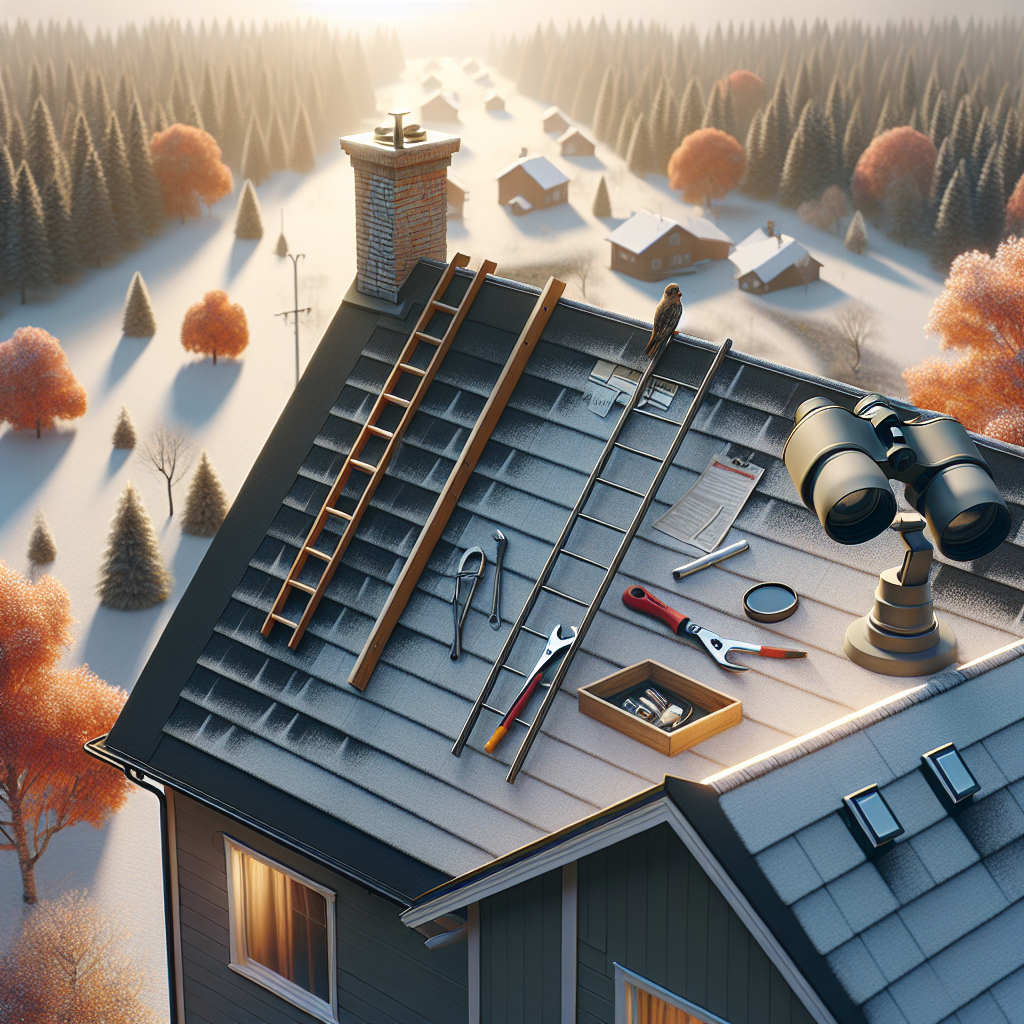
1. Gather Your Tools: You’ll need a sturdy ladder, a flashlight, a camera (for documentation), and safety gear.
2. Safety First: Always prioritize safety. If you’re uncomfortable on a ladder or inspecting the roof yourself, consider hiring a professional.
3. Start from the Ground: Before climbing up, inspect from the ground. Look for any obvious damage or issues.
4. Climb Carefully: If you decide to go on the roof, ensure your ladder is stable and secure. Move cautiously and avoid stepping on weak spots.
5. Document Everything: Take photos of any issues you find. This documentation will be helpful for repairs or when consulting with a roofing contractor.
6. Evaluate Your Findings: After inspecting, review your notes and photos. Decide if professional help is needed based on the severity of the issues found.
When to Call a Professional for Roof Inspection in Valdosta, GA
While DIY inspections are beneficial, certain situations warrant a call to a professional:
– Severe Weather Damage: If your roof has been hit by hail, heavy winds, or a storm, it’s advisable to get a professional assessment.
– Persistent Leaks: If you notice leaks that don’t resolve after your inspection, a professional can locate the source more effectively.
– Age of the Roof: If your roof is approaching the end of its lifespan, a professional can help evaluate its condition and recommend repairs or replacement.
Conclusion
Regular roof inspections are essential for homeowners in Valdosta, GA. By following seasonal tips and knowing when to seek professional help, you can ensure your roof remains in good condition year-round. Remember, a well-maintained roof protects not just your home but also your family and belongings. Don’t wait until small issues escalate into costly repairs. Take charge of your roof’s health today!